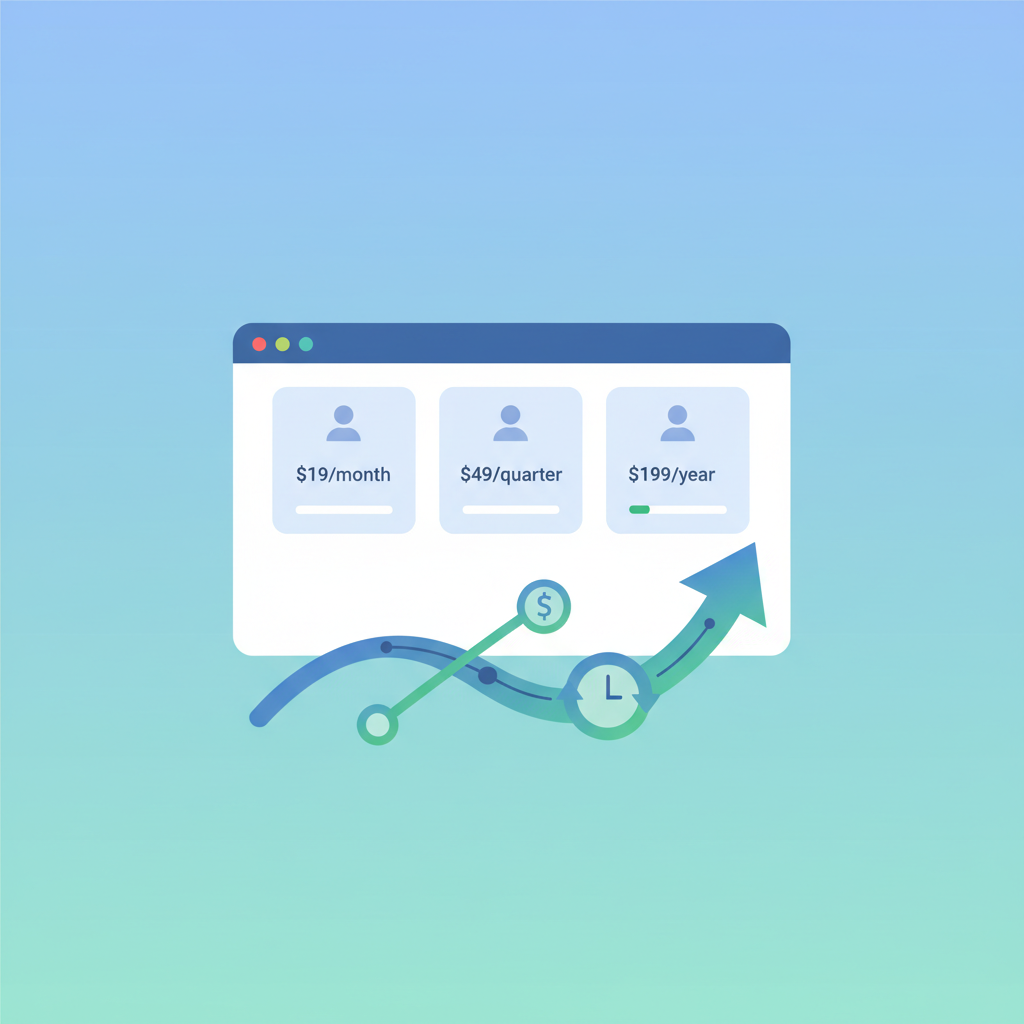
Most WordPress site owners still treat their website like a one-time project. They launch it, celebrate, and then watch it slowly drift into neglect. The smarter play in 2026 is to turn that same site into an engine that earns predictable, recurring income month after month. Here is how the most successful operators are doing exactly that.
Why Recurring Revenue Beats One-Off Sales
Recurring revenue smooths out the feast-and-famine cycle that kills most small businesses. Instead of hunting for a new sale every month, you build a base of subscribers who pay you automatically. Even a modest list of 100 members at $20 per month is $2,000 in dependable income before you make a single new sale.
Predictability also makes your business easier to grow and easier to value. Lenders, investors, and even future buyers all pay more for a site with steady monthly revenue than one that depends on sporadic transactions.
The Compounding Effect
When you keep more members than you lose each month, your revenue compounds. A 5 percent monthly growth rate doubles your income in roughly 14 months without any dramatic change in strategy.
Three Proven Models You Can Launch This Quarter
The membership model gates premium content, courses, or community access behind a monthly fee. Plugins like MemberPress and Paid Memberships Pro handle the billing and access control for you.
The subscription product model sells physical or digital goods on a repeating schedule. WooCommerce Subscriptions makes this straightforward for ecommerce stores.
The service retainer model packages your expertise into a monthly plan, such as maintenance, content, or support, billed automatically through your site.
Setting Up the Plumbing
Whichever model you choose, you need reliable billing, clear member onboarding, and an easy way for customers to manage their own accounts. Connect a payment processor like Stripe, automate welcome emails, and give members a self-service dashboard so support requests stay low.
How to Choose the Right Model for Your Audience
The model that works depends on what you already have. If you publish content people value, a membership site is a natural fit because you are simply gating what you already produce. If you sell products, subscriptions turn one-time buyers into repeat customers automatically. And if you deliver a service, a retainer converts project clients into ongoing relationships.
Start by listing what you currently offer and ask which parts people would happily pay for on a repeating basis. The answer is usually closer than you think. A consultant might package monthly office hours; a store might offer a curated subscription box; a blogger might gate an archive of premium tutorials.
Validating Before You Build
Before investing weeks in setup, test demand with a simple landing page and a waitlist. If people sign up to be notified, you have validated interest. If nobody does, you have saved yourself a lot of wasted effort and can refine the offer instead.
Reducing Churn, Your Biggest Enemy
Acquiring a member is only half the battle. Keeping them is where recurring revenue is truly won or lost. The single most effective retention tactic is consistent value delivery: members who feel they are getting their money’s worth every month rarely cancel.
Send a short monthly note highlighting what they received and what is coming next. Offer an annual plan at a discount to lock in commitment. And always make canceling easy, because a frustrated member who cannot leave becomes a vocal critic, while one who leaves gracefully often returns later.
Tools That Make It Effortless
Modern WordPress plugins handle nearly everything automatically. Membership tools manage access and billing, email automation handles onboarding and re-engagement, and analytics show you exactly where members drop off. Set these systems up once and they run quietly in the background, freeing you to focus on creating value rather than chasing payments.
Final Thoughts
Recurring revenue is not a magic trick. It is a deliberate shift from selling one-time outcomes to selling ongoing value. Pick one model, launch it small, and refine it as members tell you what they want. The site you already own can become the most reliable asset in your business.